

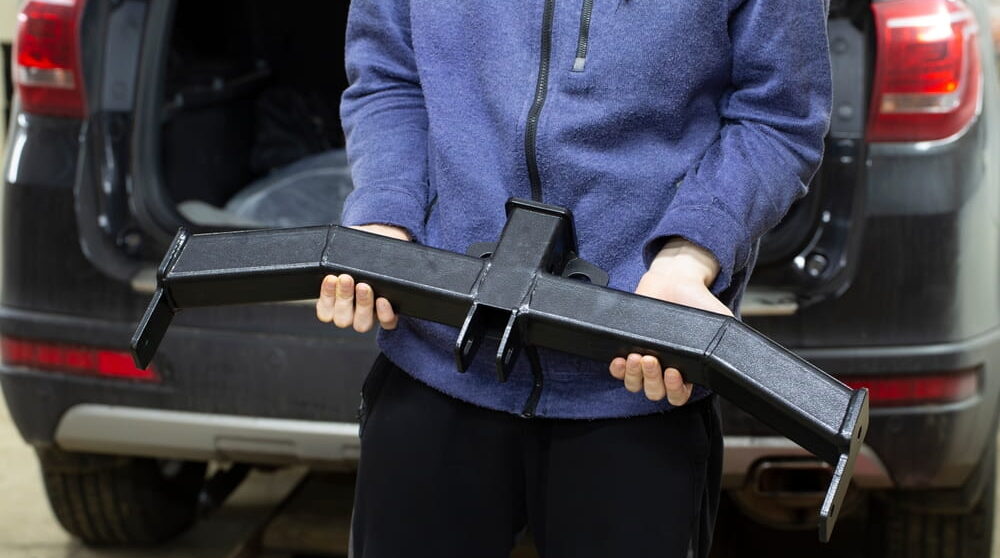
Whether you’re towing a camper to the mountains, hauling a boat to the lake, loading up the ATVs for the weekend, or simply adding a bike rack for family adventures, it all starts with the right hitch.
But if you’ve never had a hitch installed before, you probably have a few questions:
- How long does it take?
- Will they need to drill into my vehicle?
- Do I need wiring?
- What kind of hitch do I actually need?
Professional Trailer Hitch Installation in Calgary is usually much simpler than most people expect. Let’s walk through what happens, what’s included, and how Calgary Hitch Shop helps get you road-trip ready!
Ready to Tow? | What Is Included in a Trailer Hitch Installation?
A trailer hitch installation is much more than simply bolting a receiver underneath your vehicle.
A professional installation typically includes:
- Selecting the right hitch for your vehicle
- Matching the best hitch to your towing needs
- Installing all manufacturer-approved hardware and accessories needed
- Mounting the hitch securely to the vehicle
- Wiring installation when required
- Testing electrical connections
- Verifying towing capacities and safety ratings
- Ensuring the setup complies with manufacturer specifications
At Calgary Hitch Shop, every installation is tailored to the vehicle and how you actually plan to use it. After all, someone towing a utility trailer once a month has very different needs than someone hauling a 30-foot RV across Western Canada.
Know Your Hitch | Different Types of Trailer Hitches Explained
Not all hitches are built for the same adventures.
Fixed Tongue Hitches
Fixed tongue hitches remain permanently attached to the vehicle and are commonly referred to as weight-carrying hitches.
They’re practical for frequent towing but have become less common because they protrude from the vehicle when not in use.
Receiver Style Hitches
Receiver hitches are by far the most popular option today because they’re versatile and allow you to swap between different accessories and towing setups.
They can be used for:
- Utility trailers
- Travel trailers
- Boat trailers
- Bike racks
- Cargo carriers
Receiver hitches are divided into five classes:
Class I
- Small cars and compact SUVs
- Light-duty towing
Class II
- Cars and small SUVs
- Moderate towing capacity
Class III
- SUVs, trucks, and vans
- Popular for campers and boats
Class IV
- Heavy-duty towing applications
Class V
- Large trucks and commercial towing
- Designed for significant towing capacities
Don’t Guess Your Hitch | How to Choose the Right One
One of the biggest mistakes people make is choosing a hitch based solely on what they plan to tow.
The reality is that your vehicle matters just as much as the trailer. When selecting a hitch, Calgary Hitch Shop considers:
Vehicle towing capacity
- Gross Trailer Weight (GTW)
- Tongue weight
- Hitch class ratings
- Trailer type
- Future towing plans
For example, a hitch may be rated differently depending on the vehicle it’s installed on. A larger truck can often utilize significantly more of a hitch’s capacity than a compact SUV.
That’s why professional guidance is so important before purchasing a hitch.
From Vehicle to Adventure Vehicle | The Installation Process Step-by-Step
Wondering what actually happens at your appointment during a Trailer Hitch Installation in Calgary?
Here’s a simplified overview:
Step 1: Vehicle Assessment
The team confirms your vehicle specifications, towing goals, and the correct hitch application.
Step 2: Preparing the Vehicle
Depending on the vehicle, technicians may temporarily remove or lower components such as:
- Spare tires
- Underbody panels
- Heat shields
- Exhaust components
Don’t worry…everything is reinstalled properly once the hitch is in place.
Step 3: Hitch Mounting
The hitch is positioned and secured using vehicle-specific hardware and attachment points.
Many modern hitches use factory mounting locations whenever possible.
Step 4: Wiring Installation
If trailer lighting is required, wiring is installed and connected to the vehicle’s electrical system.
Step 5: Testing and Verification
The installation is inspected, torque settings are verified, and electrical systems are tested to ensure everything is working correctly before you leave.
The Plug Behind the Trailer | Wiring and Electrical Explained
If you’re towing a trailer, chances are you’ll need trailer wiring. The two most common options are:
4-Pin Wiring
Typically used for:
- Utility trailers
- Small trailers
- Basic lighting functions
Provides:
- Brake lights
- Turn signals
- Running lights
7-Pin Wiring
Typically used for:
- Travel trailers
- RVs
- Larger towing setups
Provides:
- All standard lighting functions
- Trailer brake controls
- Auxiliary power connections
Not sure what you need? Calgary Hitch Shop can recommend the right setup based on your trailer and towing plans.
How Long Will It Take? | Installation Timelines Explained
One of the most common questions about Trailer Hitch Installation in Calgary is about the installation time.
The answer depends on:
- Vehicle make and model
- Hitch type
- Wiring requirements
- Additional towing accessories
Most installations take anywhere from 30 minutes to a few hours, depending on complexity. Some vehicles are very straightforward, while others require additional preparation or wiring work.
The Calgary Hitch Shop team can provide a more accurate estimate once they know your vehicle and towing needs.
What’s the Cost? | Factors That Affect Hitch Installation Pricing
There isn’t a one-size-fits-all price for hitch installation.
Factors that influence cost include:
- Hitch class
- Vehicle type
- Wiring requirements
- Brake controller installation
- Weight distribution systems
- Custom fabrication requirements
While price matters, the most important factor is ensuring your setup is safe, properly rated, and ready for the road.
Because replacing a trailer is expensive. Replacing your peace of mind? Even more so.
Why Professional Installation Matters
Sure, some people enjoy a weekend wrench-turning project. But towing equipment isn’t an area where guessing is a great strategy.
Professional installation helps ensure:
- Proper torque specifications
- Correct hardware usage
- Safe towing capacity calculations
- Proper electrical connections
- Manufacturer compliance
- Warranty protection
It’s also worth noting that if a hitch installation requires drilling according to manufacturer specifications, it generally will not void your vehicle warranty when performed correctly.
In short: it’s better to spend your weekends camping, boating, and exploring than troubleshooting towing problems in your driveway.
Ready to Get Hitched? | Calgary Hitch Shop Can Help
Whether you’re preparing for camping season, upgrading your towing setup, or finally getting that bike rack you’ve been eyeing, the right hitch makes all the difference.
At Calgary Hitch Shop, you’ll find one of Canada’s largest hitch inventories, experienced installation professionals, and expert advice tailored to your vehicle and lifestyle.
Contact Calgary Hitch Shop today to book your Trailer Hitch Installation and get ready for wherever the road – or trail – takes you next.
Frequently Asked Questions
How long does trailer hitch installation take?
Most installations take between 30 minutes and a few hours, depending on the vehicle and complexity of the setup.
Do I need wiring for a trailer hitch?
If you’re towing a trailer with lights, then yes. The type of wiring required depends on the trailer and whether additional functions such as trailer brakes are needed.
Can any vehicle have a hitch installed?
Many vehicles can be fitted with a hitch, from compact cars to heavy-duty trucks. If a hitch exists for your vehicle, Calgary Hitch Shop likely has it in stock—and if not, they may be able to custom fabricate a solution.
What class of hitch do I need?
That depends on your vehicle and what you plan to tow. The best option is to have a towing specialist match your hitch class to both your vehicle’s capabilities and your towing goals.
Is professional hitch installation worth it?
Absolutely! Professional installation helps ensure your towing setup is safe, compliant, properly rated, and ready for years of reliable use.
